
 We welcome questions and comments about our products and services, you can reach us as follows:
Versaperm Limited
10 Rawcliffe House
Howarth Road
Maidenhead
Berkshire
SL6 1AP
UK
Tel UK: +44 (0) 1628 777668
Tel USA: +1 (617) 855-7477
e.mail: webcontact@versaperm.com
 Vapour permeability – the ability of materials to allow moisture vapour to pass through plays a critical role in agriculture, from crop protection to storage and environmental control and can have a profound impact in key agricultural areas including:
Soil Covers and Mulches
By measuring vapour transmission rates in biodegradable films and woven fabrics, Versaperm helps farmers strike the right balance between soil moisture retention and aeration. The result is healthier root systems, reduced irrigation needs, and more resilient crops.
Vapour permeability issues in this area
Packaging for Fresh Produce
From fruit and vegetable bags to modified atmosphere packaging (MAP) films, vapour permeability is central to maintaining freshness and shelf life or agricultural products. Optimising the vapour permeability of storage materials ensure they the right vapour balance to alleviate both spoilage and dehydration.
Vapour permeability issues in this area
 Greenhouse Films and Polytunnels
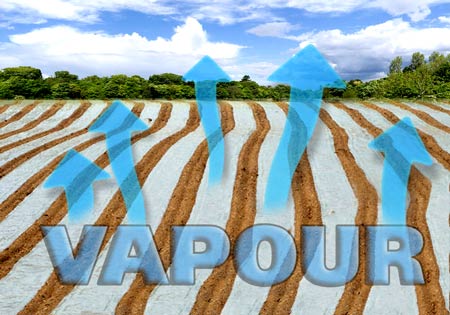
Vapour permeability is a major factor in the greenhouse effect, which is used by Polytunnels and soil solarisation films to heat the crops and soil, killing or weakening many soil-borne pathogens, weeds, and weed seed and enabling plants to thrive. It also allows growers to optimise condensation and maintain an ideal growing environment. This leads to higher yields, lower disease risk, and more efficient water use.
Vapour permeability issues in this area
Animal Housing and Bedding
The conditions inside barns, poultry houses and pig units are strongly influenced by moisture. Materials with controlled vapour permeability help reduce condensation, creating a healthier environment for animals and lowering the risk of disease. Bedding products also benefit: by allowing excess vapour to disperse while retaining protection against liquid penetration, they reduce ammonia build-up and extend bedding life. Versaperm’s systems make it possible to test these materials with precision, ensuring they perform consistently and contribute to animal welfare and farm efficiency.
Vapour permeability issues in this area :
Controlled-Atmosphere (CA) Storage & MAP
Fresh produce relies on finely balanced storage conditions to stay edible for longer. CA storage and MAP technologies use carefully engineered packaging and films that must control not just gases such as oxygen, ethylene and carbon dioxide, but also water vapour transmission. Too little vapour transfer causes condensation and spoilage, while too much results in drying and loss of quality. Ethylene regulates various aspects of plant growth, development, and ripening. Together these effects extend shelf life and reduce food waste.
Vapour permeability issues in this area:-
Seed Storage and Germination
Seeds are highly sensitive to moisture levels, and their ability to germinate depends on being stored under tightly controlled vapour conditions. Packaging and storage bags must allow enough vapour movement to avoid condensation and mould, while preventing excessive drying that reduces viability. During germination itself, materials such as germination papers and trays need the correct balance of hydration and oxygen availability. With Versaperm’s testing systems, manufacturers and researchers can measure and optimise vapour permeability at every stage, protecting seed stocks and supporting strong, reliable germination.
Vapour permeability issues in this area
 Mass Spectroscopy: Raising the Bar
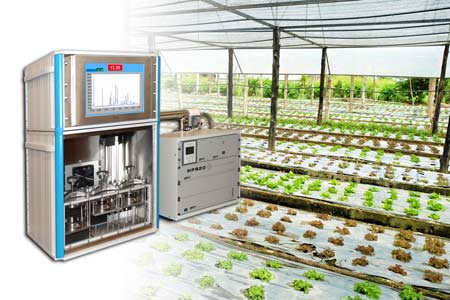
Versaperm’s Mass Spectroscopy permeability system sets a new benchmark in testing, offering:
About Versaperm - A Complete Range of Solutions
Versaperm offers a broad portfolio of vapour permeability measurement system. Together, these provide a comprehensive approach to tackling many of agriculture’s important – vapour permeability is all too often overlooked but plays a major role in productivity.
Versaperm is a leading specialist in vapour permeability measurement and testing. With decades of expertise, the company provides innovative solutions for industries ranging from agriculture and packaging to pharmaceuticals, construction, and beyond. Its technology enables companies to design, test, and manufacture products that meet the highest standards of quality, performance, and sustainability.